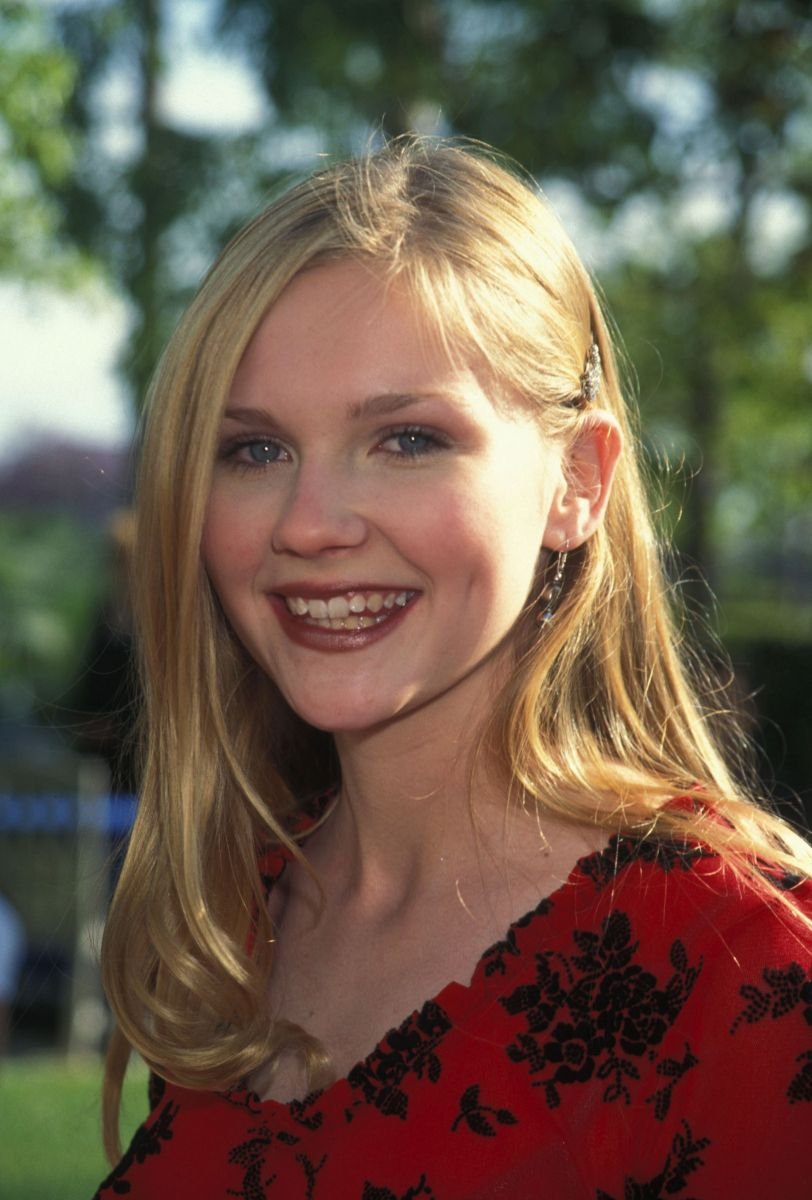
It's rare to witness a performer grow up on screen and consistently evolve, challenging expectations and redefining their artistic path. But Kirsten Dunst has done exactly that, masterfully executing the transition From Child Star to Acclaimed Actress: Kirsten Dunst's Transition. Her career isn't just a testament to talent; it's a meticulously built bridge between early fame and enduring critical respect, navigated with a quiet determination that many child actors only dream of.
From her early start in iconic films to her recent Academy Award nomination, Dunst has sculpted a career defined by versatility, courage, and a profound commitment to character. She’s become a blueprint for how to not just survive the glare of the spotlight from a young age, but to harness it, transform it, and emerge as one of Hollywood’s most respected and nuanced performers.
Kirsten Dunst: At a Glance
- Early Start: Began modeling at age three, film debut at six.
- Child Star Breakthrough: Gained global recognition at 12 with Interview with the Vampire.
- Pop Culture Icon: Starred in defining early 2000s films like Bring It On and the Spider-Man trilogy.
- Artistic Evolution: Consistently chose complex roles, often collaborating with auteurs like Sofia Coppola and Lars von Trier.
- Major Accolades: Won Best Actress at Cannes for Melancholia, earned Golden Globe and Emmy nominations for TV work, and received an Academy Award nomination for The Power of the Dog.
- Beyond Acting: Also a director, mental health advocate, and creative entrepreneur.
- Defining Trait: Known for her versatility, longevity, and ability to balance mainstream appeal with artistic integrity.
The Genesis of a Star: From Tiny Tot to Teenage Vampire
Born Kirsten Caroline Dunst on April 30, 1982, in Point Pleasant, New Jersey, her journey into the entertainment world began remarkably early. At just three years old, she was already a familiar face, appearing in TV commercials and print ads. This early exposure wasn't merely a pastime; it was the nascent stage of a career that would span decades. By age six, she made her film debut in Woody Allen’s anthology film, New York Stories (1989), laying the groundwork for what was to come.
But it was at the tender age of 12 that Dunst experienced her seismic breakthrough, captivating audiences and critics alike as the hauntingly mature child vampire, Claudia, in Interview with the Vampire (1994). Sharing the screen with titans like Tom Cruise and Brad Pitt, Dunst held her own, delivering a performance of unnerving depth and fragility. This pivotal role not only announced her arrival but also earned her a Golden Globe nomination for Best Supporting Actress, a remarkable feat for such a young performer. For anyone curious about her formative years, it’s fascinating to look back at When Kirsten Dunst was young and see the raw talent already shining through.
The 1990s continued to be a busy and formative period. She charmed audiences as Amy March in Little Women (1994), battled supernatural forces in Jumanji (1995) as Judy Shepherd, and showcased her comedic timing in Wag the Dog (1997). This string of diverse roles demonstrated her remarkable range even before she hit adulthood. The decade culminated with her poignant portrayal of Lux Lisbon in Sofia Coppola’s critically acclaimed The Virgin Suicides (1999), a film that marked the beginning of a significant and creatively fruitful collaboration between actress and director. It was clear even then that Dunst possessed a unique ability to infuse her characters with a compelling blend of innocence and complexity.
Navigating the Gauntlet: Teen Idol to Blockbuster Darling
The turn of the millennium often presents a tricky juncture for child stars. Many struggle to shed their youthful image or find roles that allow them to grow. Dunst, however, glided into young adulthood with strategic grace, cementing her status as a pop culture icon while simultaneously seeking out more layered characters.
The year 2000 saw her leading the cheerleading phenomenon Bring It On, a film that defied expectations to become a beloved cult classic. As Torrance Shipman, Dunst captured the energy and anxieties of teenage life, making her an instantly recognizable face for a new generation. This role showcased her ability to connect with a broad audience and proved her charismatic appeal.
But it was her role as Mary Jane Watson in Sam Raimi’s Spider-Man trilogy (2002-2007) that launched her into global superstardom. Opposite Tobey Maguire’s Peter Parker, Dunst became the quintessential damsel-in-distress-with-a-heart-of-gold, a romantic lead in one of the biggest superhero franchises of its time. The success of Spider-Man brought unparalleled visibility, making her a household name worldwide. Yet, even amidst the blockbusters, she never strayed entirely from more artistically driven projects, like her memorable cameo as Mary in the critically adored Eternal Sunshine of the Spotless Mind (2004) or her turn as a tennis star in Wimbledon (2004). This period exemplified her remarkable dexterity in balancing commercial success with roles that offered creative depth.
The Art of Evolution: Embracing Complexity and Acclaim
As Dunst matured, so did her choices, demonstrating a clear pivot towards roles that demanded greater emotional and psychological nuance. This era marked her solidification as an actress of serious dramatic intent, earning her significant critical acclaim and prestigious awards.
Her partnership with director Sofia Coppola proved to be a cornerstone of her artistic development. Following The Virgin Suicides, Dunst reunited with Coppola for the lavish historical drama Marie Antoinette (2006). Her portrayal of the iconic, misunderstood queen earned her a Best Actress nomination at the Cannes Film Festival, further establishing her as a formidable leading lady. The collaboration continued with The Beguiled, where Dunst showcased her ability to convey complex internal lives within a period setting. These projects were not just films; they were opportunities for deep character exploration, allowing Dunst to flex her considerable dramatic muscles.
A pivotal moment in her career came with Lars von Trier's highly controversial yet critically lauded Melancholia (2011). As Justine, a woman grappling with severe depression amidst an impending planetary collision, Dunst delivered a raw, vulnerable, and profoundly moving performance. This role resonated deeply, earning her the Best Actress award at the Cannes Film Festival – a definitive recognition of her extraordinary talent and willingness to tackle challenging material. It was a bold statement, showcasing an actress unafraid to plumb the depths of the human psyche.
From Big Screen to Small: Television's Call to Excellence
While film remained a significant part of her career, Dunst also embraced the golden age of television, finding new avenues for compelling storytelling and character development. Her foray into television was met with similar critical adulation.
In 2015, she joined the acclaimed anthology series Fargo for its second season, portraying Peggy Blumquist, a small-town hairdresser with big dreams and an even bigger secret. Dunst completely transformed, delivering a performance that was both darkly comedic and tragically poignant. This role earned her Golden Globe and Emmy nominations, proving her ability to command the small screen with the same intensity and nuance she brought to film.
She continued her successful television run with On Becoming a God in Central Florida (2019), where she played Krystal Stubbs, a minimum-wage worker caught in the murky world of a pyramid scheme. Her performance was lauded for its grit, humor, and heart, securing her another Golden Globe nomination. These television roles allowed her to delve into long-form storytelling, fleshing out characters over multiple episodes with incredible depth and consistency.
Her recent return to film saw her reach yet another career peak with Jane Campion’s neo-western The Power of the Dog. As Rose Gordon, a fragile woman battling alcoholism and emotional abuse, Dunst delivered a performance of quiet devastation. Her work earned her an Academy Award nomination for Best Supporting Actress, a career milestone that solidified her status among Hollywood’s elite. It was a performance that spoke volumes with minimal dialogue, showcasing her mastery of non-verbal communication and emotional authenticity.
Beyond the Lens: Directing, Advocacy, and Entrepreneurship
Kirsten Dunst's influence extends far beyond her acting roles. She has consciously diversified her professional and personal pursuits, revealing a multifaceted individual committed to creative expression, personal well-being, and social impact.
In 2017, she stepped behind the camera, making her directorial debut with the short film Bastard. This move signifies her broader interest in storytelling and control over the creative process, hinting at potential future endeavors as a filmmaker. It’s a natural progression for an artist who has spent decades observing and collaborating with some of the industry’s most respected directors.
Her personal experiences have also shaped her advocacy. Dunst has openly spoken about her struggles with depression, becoming a vocal proponent for mental health awareness. Her candidness has helped destigmatize mental illness in an industry often reluctant to discuss such topics, providing a powerful voice and support for many. This commitment to transparency and well-being aligns with her human-first approach to her craft and life.
Beyond the arts and advocacy, Dunst has also ventured into the entrepreneurial space. She co-founded the creative brand Observed By Us, demonstrating her eye for aesthetics and her desire to cultivate unique artistic endeavors. Her collaboration with the fashion label La Ligne further illustrates her engagement with creative industries beyond film.
Her personal life also reflects a journey of growth and stability. She married actor Jesse Plemons in 2022, a partnership that has brought two sons into their lives. This private joy contrasts with her public career, showcasing a balanced approach to life that is rare for someone who grew up in the spotlight. Dunst also dedicates time to charitable causes, focusing on children’s health, education, and the arts, giving back to areas that likely resonate with her own beginnings.
As of 2024, her estimated net worth of around $25 million reflects not just her prolific acting career but also her ventures into directing, producing, and endorsement deals. This financial independence underscores her ability to make choices based on artistic merit rather than commercial necessity.
The Kirsten Dunst Blueprint: Lessons in Longevity and Versatility
What can we learn from Kirsten Dunst's remarkable journey from child star to acclaimed actress? Her career offers a masterclass in how to navigate the notoriously treacherous waters of Hollywood with grace, resilience, and an unwavering commitment to authenticity.
- Strategic Role Selection: Dunst never boxed herself in. Early on, she balanced blockbuster appeal (Spider-Man) with critically respected independent films (The Virgin Suicides, Eternal Sunshine). This diverse portfolio kept her fresh, showcased her range, and prevented her from being typecast. For aspiring actors, this means deliberately seeking out roles that challenge you, even if they aren't the most high-profile.
- Cultivating Creative Partnerships: Her enduring collaboration with Sofia Coppola is a testament to the power of finding a director who understands and champions your talent. These relationships provide a safe space for artistic exploration and often lead to career-defining performances. It highlights the importance of fostering strong, trusting professional relationships.
- Embracing Complexity: As she matured, Dunst actively pursued roles that demanded profound emotional depth—from the despondent Justine in Melancholia to the struggling Rose in The Power of the Dog. She wasn't afraid to portray flawed, vulnerable, or even unlikeable characters, understanding that true artistry often lies in exploring the gray areas of the human condition.
- Adaptability Across Mediums: Transitioning seamlessly from film to prestige television (Fargo, On Becoming a God in Central Florida) allowed her to stay relevant and explore different narrative formats. In today's evolving entertainment landscape, versatility across platforms is a significant asset for career longevity.
- Prioritizing Personal Well-being: Her openness about mental health struggles and her subsequent advocacy sends a crucial message: personal health is paramount. For anyone in a demanding career, especially one under public scrutiny, establishing boundaries and seeking support is vital for sustained success and happiness.
- Beyond the Core Craft: Directing, entrepreneurial ventures, and charitable work demonstrate a holistic approach to life and career. These pursuits not only enrich her personal life but also broaden her professional horizons and provide outlets for creative expression beyond acting.
Looking Ahead: What's Next for an Enduring Star
Kirsten Dunst shows no signs of slowing down. Her recent work includes the highly anticipated Civil War and the upcoming film Roofman, where she will star alongside Channing Tatum. These projects suggest a continued interest in diverse genres and compelling narratives.
Her legacy is already robust, characterized by a rare blend of mainstream success and profound artistic integrity. She is not just an actress; she is a survivor, an artist, an advocate, and a role model for navigating the complexities of a life lived in the public eye. Her journey is a powerful reminder that true acclaim isn't just about fame; it's about sustained excellence, courageous choices, and an unwavering commitment to one's craft and humanity.
A Legacy Forged in Authenticity
Kirsten Dunst's transformation from a cherubic child star to an accomplished, Oscar-nominated actress is more than just a successful career arc; it's a profound statement on artistic resilience and personal growth. She defied the odds, sidestepping the pitfalls that often plague young talents, and instead, meticulously built a career grounded in authenticity and challenging roles. Her story is a vibrant testament to the fact that with talent, thoughtful choices, and a strong sense of self, it's possible to not only endure in Hollywood but to truly flourish and redefine what it means to be a star. She continues to inspire, proving that longevity in the arts is best achieved through a persistent pursuit of compelling storytelling and a genuine connection to the human experience.