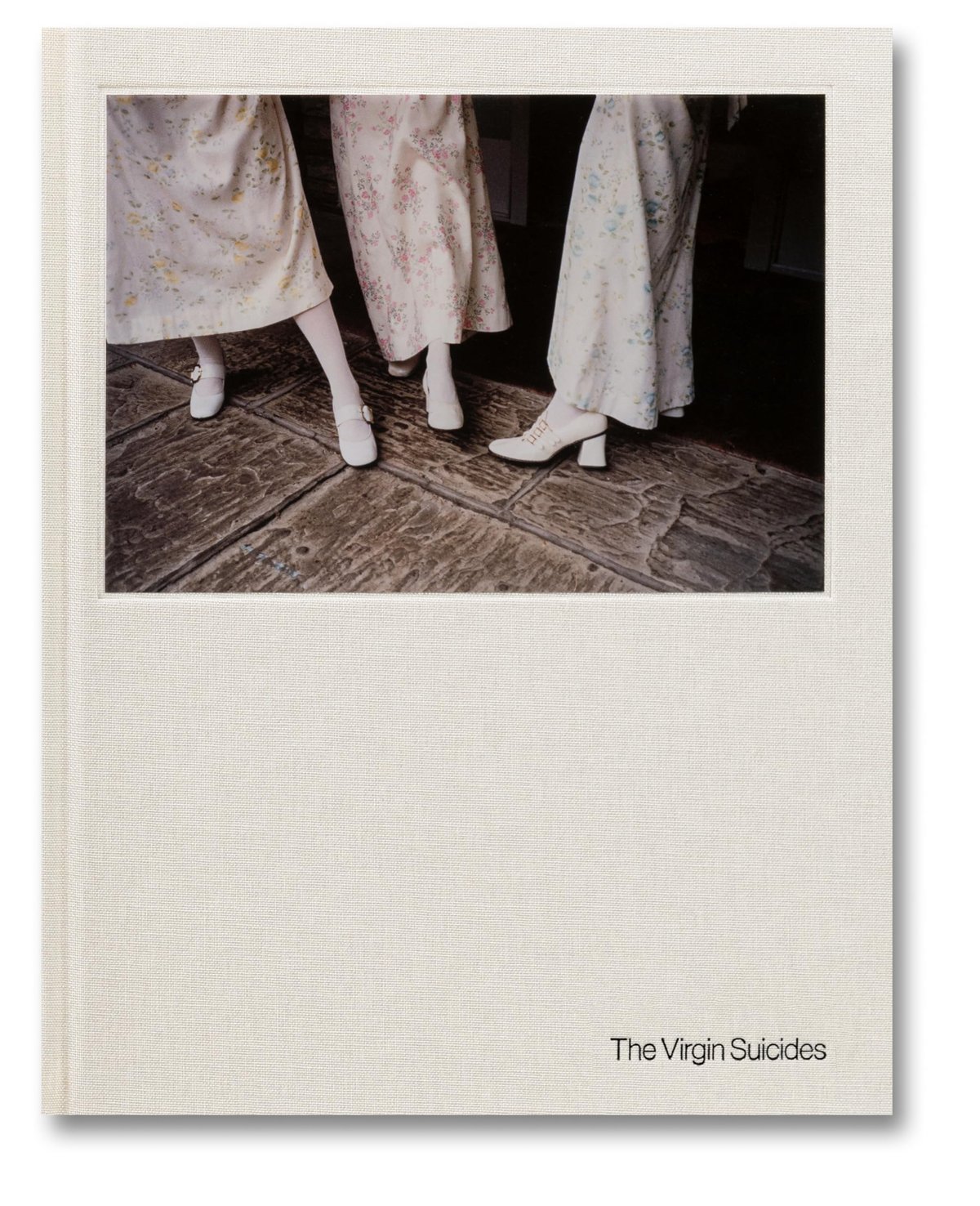
The Ethereal Echo: Deconstructing The Virgin Suicides and Sofia Coppola's Iconic Partnership Journey
Step into a specific hue of pastel melancholia, a hazy, dreamlike vision of suburbia where tragedy unfolds with quiet, devastating grace. This is the enduring world of The Virgin Suicides, a film that didn't just mark Sofia Coppola's directorial debut but cemented a unique aesthetic and thematic sensibility that would resonate through her entire oeuvre. The connection between The Virgin Suicides and Sofia Coppola’s collaborations isn’t merely about a director and her first film; it’s the genesis of a signature style, a recurring ensemble, and a profound exploration of female interiority that continues to captivate audiences and critics alike.
From the first shimmering shot of the Lisbon sisters, it was clear Coppola possessed a singular voice. Her ability to translate the intangible feelings of adolescence, isolation, and unfulfilled desire onto the screen established her as a master of mood and visual poetry. This article dives deep into that foundational film and the significant partnerships that have defined her journey since, revealing the threads that weave through her acclaimed body of work.
At a Glance: Understanding Coppola's Collaborative Canvas
- A Distinctive Debut: The Virgin Suicides wasn't just a film; it was a manifesto for Sofia Coppola's cinematic language: dreamlike, melancholic, and deeply empathetic to its female protagonists.
- The Power of Partnership: Learn how Coppola fosters long-term collaborations with key actors and crew, building a consistent creative team that understands her vision implicitly.
- Kirsten Dunst: The Muse: Explore the pivotal role of Kirsten Dunst when young as Lux Lisbon and her subsequent collaborations with Coppola, revealing a unique artistic synergy.
- Signature Themes Unpacked: Discover the recurring motifs in Coppola’s work, from female alienation and nostalgia to the complexities of privilege and the elusive nature of happiness.
- Beyond the Camera: Understand the cultural impact of her films on fashion, music, and the broader independent cinema landscape.
The Genesis of an Icon: Coppola's Vision for The Virgin Suicides
To understand Sofia Coppola’s collaborations, you must first return to the hazy summer of 1970s Michigan, as depicted in The Virgin Suicides. Based on Jeffrey Eugenides' acclaimed novel, the story of the five doomed Lisbon sisters was a challenging narrative, told retrospectively through the collective memory of the neighborhood boys who obsessively watched them. For many, it felt unfilmable, yet Coppola saw its potential for a haunting cinematic poem.
She wasn't interested in the sensationalism of the suicides themselves, but rather the internal lives of the girls, their impenetrable mystique, and the profound melancholy that permeated their existence. This approach immediately distinguished her. Instead of focusing on "why," she focused on "how it felt" – the stifling atmosphere, the yearning, the quiet desperation. This empathy for her characters, particularly young women navigating confusing emotional landscapes, became a cornerstone of her directorial philosophy.
Her adaptation wasn't a literal translation but an atmospheric interpretation. Coppola understood that the essence of Eugenides' novel lay in its mood, its specific light, and the emotional distance it maintained. She chose to evoke, rather than explain, trusting her visuals, her music choices, and the subtle performances of her cast to convey the story's emotional weight. This commitment to atmosphere over overt plot points is a recurring hallmark of her work.
Crafting the Coppola Aesthetic: Mood, Music, and Cinematography
The "Coppola aesthetic" is a term frequently used, and The Virgin Suicides laid its foundational elements. It’s characterized by a dreamlike quality, often bathed in a soft, ethereal light, and underscored by a meticulously curated soundtrack that feels like another character.
The Sonic Landscape: Air and the Soundtrack as Storyteller
One of the most defining collaborations for The Virgin Suicides was with the French electronic duo Air. Their score is not just background music; it's the emotional heartbeat of the film. Ethereal, melancholic, and deeply romantic, Air’s compositions for The Virgin Suicides perfectly encapsulate the film's elusive mood. From "Playground Love" to "Cemeteries," the music acts as a bridge between the viewer and the Lisbon girls' inner world, reflecting their innocence, their budding sexuality, and their profound sadness.
Coppola's discerning taste in music would become a signature, with her soundtracks often becoming standalone cultural touchstones, whether it's the 80s new wave of Marie Antoinette or the indie rock of Lost in Translation. For her, music isn't merely accompaniment; it's a critical component of storytelling, setting the emotional temperature and often communicating more than dialogue ever could.
Visual Poetry: Edward Lachman and the Cinematography
Working with cinematographer Edward Lachman, Coppola crafted a visual language that felt both nostalgic and timeless. Lachman's lensing captured the sun-drenched, faded quality of 1970s suburbia, giving the film a painterly texture. The use of soft focus, natural light, and a pastel palette imbues the Lisbon home with a sense of suffocating beauty, almost as if the house itself is holding its breath.
This meticulous attention to visual detail, where every frame feels deliberate and evocative, would be further refined in subsequent projects. Coppola understands that cinema is a visual medium, and she prioritizes the emotional impact of imagery. Her films are often characterized by long, contemplative shots that allow the audience to soak in the atmosphere and connect with the characters' internal states.
Costume as Character: Nancy Steiner and the Language of Clothes
Costume design plays a crucial, often understated, role in Coppola's films. With Nancy Steiner as costume designer for The Virgin Suicides, the girls' identical, modest dresses and later their slightly more rebellious, yet still cohesive, wardrobes speak volumes. They symbolize the parents' strict control, the girls' unity, and their burgeoning, though stifled, individuality.
In Coppola's hands, clothes are never just costumes; they are extensions of identity, status, and aspiration. This acute awareness of how fashion reflects character and mood would be magnified in Marie Antoinette, where the opulent, historically inaccurate, yet emotionally resonant costumes became a character in themselves.
Beyond the Suicides: The Enduring Coppola-Dunst Dynamic
One of Sofia Coppola’s most significant and artistically fruitful collaborations has been with actress Kirsten Dunst. Their partnership began with The Virgin Suicides, where Dunst delivered a breakthrough performance as Lux Lisbon, the most enigmatic and rebellious of the sisters. Dunst’s portrayal captured Lux’s intoxicating blend of innocence and nascent sexuality, a performance that felt both deeply vulnerable and utterly captivating.
The trust and understanding forged on that first film laid the groundwork for future projects, creating a directorial-actor dynamic akin to Scorsese and De Niro, or Fellini and Mastroianni – a true meeting of artistic minds.
Marie Antoinette: A Queen of Isolation
Their next major collaboration, Marie Antoinette (2006), saw Dunst in a vastly different, yet thematically similar, role. As the young, ill-prepared queen of France, Dunst portrayed a character trapped by circumstances and expectations, much like the Lisbon sisters. Coppola’s vision for Marie Antoinette was not a stuffy historical drama but a punk-rock opera, viewed through the lens of a lonely teenager overwhelmed by her gilded cage.
Dunst’s performance here, often misunderstood by critics looking for historical accuracy rather than emotional truth, perfectly encapsulated the ennui, the desperate search for connection, and the eventual resignation of a queen forced to play a role. The film itself became a vivid exploration of privilege as its own form of prison, a concept subtly present in The Virgin Suicides as well. The collaboration demonstrated their ability to explore complex female experiences, even across centuries and vastly different social strata, with a shared sensitivity.
The Beguiled: Recontextualizing Desire and Power
Years later, Coppola and Dunst reunited for The Beguiled (2017), a remake of the 1971 Clint Eastwood film. Here, Dunst plays Edwina, a repressed teacher in a Southern girls’ boarding school during the Civil War, whose quiet life is upended by the arrival of an injured Union soldier.
This collaboration allowed Coppola to re-examine themes of female desire, manipulation, and survival through a distinctly female gaze, subverting the male-centric original. Dunst’s performance, nuanced and internal, showcased the shifting power dynamics and the moral ambiguities of the characters. This film solidified their ongoing artistic dialogue, proving that their synergy could bring fresh perspectives to even well-trodden narratives.
The consistent thread through these collaborations is Coppola’s ability to draw out profound, understated performances from Dunst, often focusing on internal monologues and emotional subtlety rather than overt declarations. Dunst, in turn, seems to instinctively grasp Coppola’s delicate aesthetic, inhabiting her characters with a quiet intensity that perfectly complements the director’s vision.
Deconstructing the Coppola Signature: Themes and Motifs
Beyond the specific films, a deeper look at The Virgin Suicides and Sofia Coppola’s collaborations reveals a consistent thematic universe.
Female Alienation and Interiority
This is perhaps the most defining theme. From the Lisbon sisters' isolation in their home to Charlotte's wandering solitude in Tokyo (Lost in Translation) or Marie Antoinette's gilded cage, Coppola repeatedly explores the feeling of being an outsider, even when surrounded by others. Her films often delve into the inner lives of women, giving voice to their unspoken thoughts and anxieties, making the internal external through visual cues and atmosphere.
Melancholy and Nostalgia
A pervasive sense of wistful sadness, a longing for something lost or never fully attained, permeates Coppola's work. The Virgin Suicides is explicitly a nostalgic recollection, but even Somewhere evokes a bittersweet reflection on fame and fatherhood. This melancholy is rarely despairing but rather a tender, often beautiful, observation of life's inherent impermanence and the elusive nature of happiness.
The Male Gaze vs. Female Perspective
A critical aspect of Coppola's work, especially evident in The Virgin Suicides, is her deliberate subversion of the traditional male gaze. While the Lisbon sisters are watched and objectified by the neighborhood boys, Coppola frames their story with empathy, inviting the audience to understand their interiority rather than just their exterior. Her films often shift the narrative perspective, allowing female characters to reclaim their agency and tell their own stories, even if those stories are quiet and introspective.
Privilege and Ennui
Many of Coppola's characters exist within worlds of privilege – the Lisbon family's suburban comfort, Charlotte's wealthy isolation in Tokyo, Marie Antoinette's royal extravagance. Yet, this privilege rarely brings contentment. Instead, it often fosters a profound sense of ennui, a spiritual emptiness that money and status cannot fill. Coppola suggests that emotional voids can exist regardless of external circumstances, challenging simplistic notions of happiness.
The Collaborative Process: How Coppola Builds Her Worlds
Sofia Coppola is known for fostering a loyal and consistent creative team, which is a significant factor in her ability to maintain a distinct voice across her filmography. This consistency allows for a shorthand, a shared understanding of her aesthetic and thematic goals, making the collaborative process exceptionally fluid.
Trusted Crew Members
Beyond her acting partnerships, Coppola frequently reteams with key technical personnel. Cinematographers like Edward Lachman (for The Virgin Suicides) and Lance Acord (Lost in Translation, Marie Antoinette) have been instrumental in defining her visual style. Similarly, costume designers like Nancy Steiner and Milena Canonero have helped bring her characters to life through carefully chosen garments. This consistent collaboration allows for an iterative creative process, where ideas can evolve and build upon past experiences.
Emphasis on Atmosphere Over Plot
Her collaborators understand that Coppola prioritizes mood and feeling. They aren’t there just to execute a scene; they are there to help create an immersive world. This means lighting, set design, and sound are as crucial as dialogue and action. The subtle hum of a hotel air conditioner, the specific quality of light filtering through sheer curtains, or the texture of a period dress—these details are paramount in building the intangible emotional landscape of her films.
Trusting Her Actors
Coppola is celebrated for her trust in actors, giving them space to inhabit characters organically. She often allows for improvisation within the emotional framework of a scene, encouraging performances that feel natural and unforced. This approach is particularly evident in her work with Dunst, allowing the actress to bring her innate understanding of complex female emotions to the forefront.
A Quiet, Deliberate Approach
Her sets are often described as calm and focused. Coppola is not a director of grand pronouncements but of quiet observation and precise execution. This deliberate pace, this gentle coaxing of performances and visuals, is what allows the delicate emotional fabric of her films to emerge.
Legacy and Influence: Why These Films Still Matter
The Virgin Suicides and Sofia Coppola’s subsequent collaborations have carved out a unique and enduring legacy in contemporary cinema.
Impact on Independent Cinema
Coppola's success as a female director with a distinctly personal vision has inspired countless aspiring filmmakers. She proved that nuanced, character-driven stories, particularly those centered on female experiences, could resonate globally and achieve critical acclaim and commercial success. She championed an aesthetic that prioritized feeling over spectacle, influencing a generation of indie filmmakers.
Fashion and Aesthetics
Beyond the silver screen, Coppola's films have had a profound impact on fashion, music, and broader cultural aesthetics. The "Coppola girl" aesthetic—effortless, chic, a little melancholic, often vintage-inspired—is a recognizable trope. The specific style of The Virgin Suicides, with its pastel palettes, floral prints, and a hint of innocent rebellion, continues to inspire fashion editorials and designers. Similarly, Marie Antoinette sparked a resurgence of interest in rococo fashion reimagined with a modern edge.
Ongoing Critical Discussion
Her work continues to be a subject of intense critical discussion, exploring themes of gender, class, isolation, and the modern condition. While some critics occasionally dismiss her work as "all style, no substance" or accuse her of only depicting "privileged problems," these critiques often miss the deeper emotional and psychological investigations at play. Coppola challenges audiences to look beyond surface-level narratives and engage with the internal struggles of her characters, regardless of their societal standing.
One common misconception is that Coppola's films are simply "mood pieces." While mood is undeniably central, it serves a deeper purpose: to evoke the character's internal reality and connect with the audience on a subconscious level. Her subtlety is often mistaken for a lack of depth, when in fact, it demands a more attentive and empathetic viewing.
For Aspiring Filmmakers and Coppola Enthusiasts: Lessons Learned
What can we take away from The Virgin Suicides and the collaborative journey of Sofia Coppola?
- Find Your Unique Voice: Coppola never tried to emulate others. Her vision for The Virgin Suicides was distinctly her own, and she has honed that voice over decades. Authenticity is your most powerful tool.
- Build a Consistent Team: The recurring collaborations with actors and crew are not accidental. They are a testament to the power of trust and shared artistic understanding. Find people who truly "get" your vision and stick with them.
- Prioritize Mood and Feeling: Don't underestimate the power of atmosphere, sound, and visual details to tell your story. Sometimes, what is left unsaid, or merely felt, is more potent than explicit dialogue.
- Trust Your Instincts: Coppola often describes her filmmaking as an intuitive process. She trusts her gut feelings about casting, music, and pacing. In a world saturated with data, sometimes the most profound art comes from a place of deep personal intuition.
- Embrace Nuance: Life, and human emotion, is rarely black and white. Coppola excels at depicting the complexities, ambiguities, and subtle shades of character. Allow your stories to breathe with that same nuance.
The Unspoken Language of Connection
The journey from the haunting suburban tragedy of The Virgin Suicides to Sofia Coppola's later, equally evocative films is a masterclass in establishing and refining a cinematic voice. Her collaborations, particularly with actors like Kirsten Dunst and her consistent crew, are not just professional partnerships but symbiotic relationships that allow her unique aesthetic to flourish.
Her films remind us that some of the most profound human experiences are found in the quiet moments, in the unspoken glances, and in the universal ache of longing. By stripping away the unnecessary and focusing on the core emotional truth, Coppola continues to create cinematic experiences that linger long after the credits roll, inviting us to feel, reflect, and ultimately, connect with the echoes of lives beautifully, sometimes tragically, lived.